
A study of Irreparable Harm and Prejudice: Provisional Measures’ Enforcement at the International Court of Justice
- Ankit Malhotra
- 11 minutes ago
- 2 min read

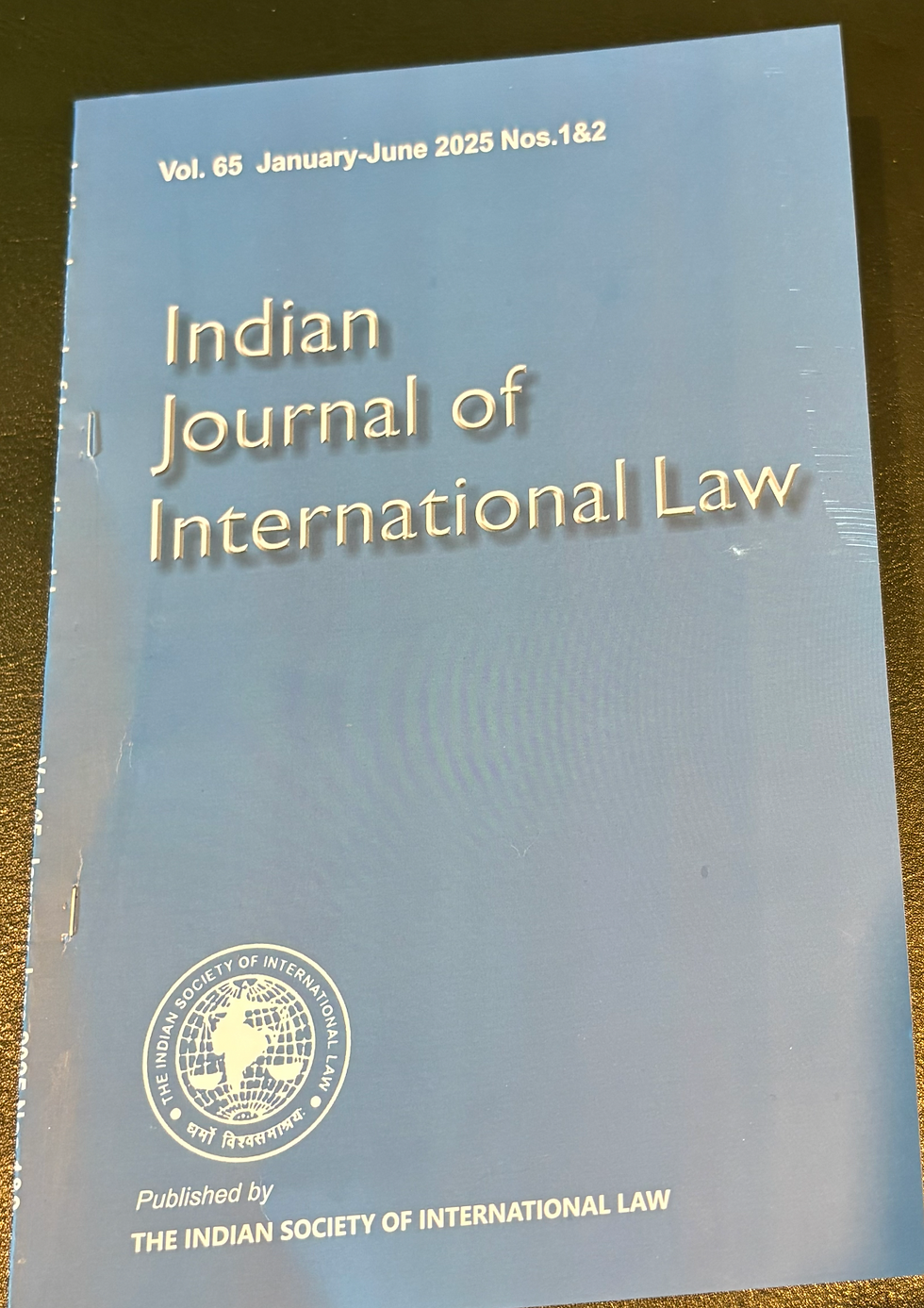
This paper analyses the Jadhav Case before the International Court of Justice (ICJ), with particular emphasis on the interpretation and enforcement judgements by the ICJ. It questions the legal and procedural dimensions of the case, focusing on how the Court clarified the scope of consular rights in situations involving allegations of espionage—a context traditionally invoked by States to restrict or suspend treaty obligations. The paper contends that the Jadhav Case marks a doctrinal affirmation of the universality and non-derogability of protections, even in cases implicating national security. Central to the analysis is the Court’s elaboration of “effective review and reconsideration” as an obligation of result, not merely of conduct—an interpretative shift that reassess the obligations of receiving States in remedying treaty breaches. The paper explores how this standard, derived from the ICJ’s prior jurisprudence in LaGrand and Avena, was refined and reinforced in Jadhav, particularly in light of the absence of procedural safeguards and the denial of consular access. Through doctrinal scrutiny of the Court’s provisional measures order, the study further examines the evolving threshold of urgency and irreparable prejudice, placing Jadhav within a broader line of recent ICJ decisions on genocide, racial discrimination, and armed conflict. In tracing the aftermath of the judgment, the paper evaluates the extent to which Pakistan has complied with its international obligations, including its enactment of domestic legislation and the procedural conduct of its courts. It also highlights the limitations of judicial remedies in politically charged disputes, where implementation often becomes hostile to diplomatic impasse. Finally, the paper explores India’s potential recourse under Articles 60 of the ICJ Statute—interpretation and revision—as a strategic tool to clarify or strengthen compliance obligations. In doing so, it reflects on the normative and practical significance of the Jadhav case in reinforcing the authority of international adjudication, while exposing the persistent enforcement gap that characterizes the legal order among sovereign States.


Comments